Working on or near a gas line is different from most plumbing jobs. It demands steady hands, strict procedures, and a refusal to shortcut safety. For homeowners and property managers in Sandpoint, Idaho, that reality matters every time a new appliance is installed, a renovation cuts into a wall, or an old line needs replacement. This article lays out what to expect from a professional plumber in Sandpoint, why inspections matter, and how to judge trade-offs when you decide to repair, replace, or simply monitor a gas system.
Why the focus matters here Gas leaks are invisible until they are not. Even small leaks waste fuel and create chronic odor and health issues. Larger failures risk fire or explosion. Sandpoint’s housing stock includes older homes with steel or black iron lines that corrode, as well as newer properties with flexible CSST or copper, so one-size-fits-all advice does not apply. The right approach is inspection-based, conservative where safety is concerned, and pragmatic about costs.
What a thorough gas line inspection looks like A useful inspection is proactive and methodical. It starts outside with the service connection and ends at every appliance. Expect a professional plumber to do the following in some form: visual assessment, pressure testing, leak detection with calibrated instruments, documentation of materials and fittings, and a review of appliance vents and combustion air. The tech should explain findings clearly, not only point at a problem.
Outside service and meter area The meter and regulator are the house’s first line of defense. Signs you’ll want a closer look include persistent rotten-egg smell near the meter, evidence of tampering, leaning meter posts, or corrosion at joints and unions. Plumbers in Sandpoint will often inspect the meter set as part of an overall service call, but if you suspect anything abnormal, call the utility first. Never attempt to tighten or disassemble meter piping yourself; that belongs to the utility company.
Material condition and routing Older homes often use black iron or steel pipe. These materials perform well but rust and threaded joints can fail over decades, especially in high-humidity basements or where condensation collects. CSST is common in modern installations; it is flexible and less prone to joint leaks, but it must be bonded properly to the building electrical system to avoid lightning damage. Copper carries gas in many places but is not permitted everywhere. A local plumber in Sandpoint will know which materials meet Idaho code and the local utility’s requirements.
Pressure testing and instrument checks A pressure test validates the integrity of the piping. Plumbers isolate the system, pressurize it to a set value, and monitor for drops over a defined period. Portable electronic leak detectors and combustible gas meters are essential tools as well; their readings are more reliable than sniff tests. If anyone on site smells gas, the procedure changes immediately: evacuate, ventilate, and call the gas company.
Signs of trouble you should never ignore Some issues are easy for homeowners to notice and should trigger a call to a professional right away. These include persistent or strong rotten-egg odor, a hissing sound near a pipe or appliance, dead or dying vegetation in a localized area above buried lines, or a pilot light that frequently goes out. Another red flag is any visible damage to piping caused by a renovation or landscaping work; even a seemingly minor scrape can compromise a joint.
When to call a plumber in Sandpoint Routine maintenance often prevents emergencies. Call a plumber if you are replacing or adding a gas appliance, smell gas, or have not had an inspection in several years. Also call if you plan to perform work that will penetrate walls, excavate, or change the configuration of a gas appliance. Licensed plumbers coordinate with gas utilities, pull permits when required, and provide pressure test reports that lenders and insurers occasionally request.
A short safety checklist before any work
- shut off the gas at the main if you or the plumber will be disturbing a pipe ventilate the area and evacuate everyone if you smell gas call the gas utility for anything involving the meter or regulator document appliance model numbers and piping layout before changes require a pressure test and written report after any new installation
How inspections reduce costs over time A well-documented inspection creates options. If corrosion is localized, targeted replacement of a few fittings may be safe and cost effective. If the piping shows systemic rust, full replacement prevents more expensive downtime and emergency repairs later. For older homes, replacing an entire system with modern materials can increase resale value and reduce insurance headaches. Expect trade-offs: a full repipe can run into several thousand dollars depending on complexity, but it also eliminates the recurring small repairs that add up over a decade.
Dealing with buried gas lines around Sandpoint properties Buried lines deserve respect. Excavation for a fence, irrigation, or landscaping can nick a line. Idaho has a statewide 811 one-call requirement to locate utilities before digging; use it. If a buried line is struck, evacuate and call the gas company and a qualified plumber. Repairing a buried line often requires digging out the damage, replacing the compromised section with approved piping, and pressure testing. When contractors propose rerouting or replacing a buried line, ask for details about depth, bedding, and warning tape to prevent future strikes.
Appliance connections and venting, where inspections save lives Proper combustion air and venting keep carbon monoxide from accumulating. During an inspection, a plumber should check appliance flues, chimneys, and vents for blockages or improper connections. A water heater flue that leaks into an attic or a furnace vent that corrodes through the attic floor are safety hazards. Thermocouple and flame sensor tests are part of appliance checks; a pilot that won’t stay lit often indicates a deeper issue with draft, fuel pressure, or burner condition.
CSST and lightning considerations CSST, or corrugated stainless steel tubing, is a flexible gas supply option that simplifies installation. Its flexibility can reduce joints, but if not bonded to the structure, CSST can become a lightning risk. Many plumbers in Sandpoint have seen CSST installations that were never properly bonded. Bonding is an inexpensive insurance measure, usually a short copper conductor tied to the main grounding electrode system. If your home has CSST, ask the plumber to confirm bonding and provide documentation.
Permits, codes, and liability Permits exist for a reason. A permited job passes through municipal or county review and usually requires a licensed professional. While it costs more up front, permited work protects you when you sell the home and reduces liability if a future issue arises. Insurance companies sometimes deny claims for work done without a permit or by an unlicensed person. Verify your plumber is licensed and carries insurance; a reputable plumber in Sandpoint should provide proof without hesitation.
What a reputable plumber communicates to you Clear communication is as important as technical skill. Expect the plumber to explain the scope, list options with pros and cons, provide an estimate, and state whether permits will be required. On arrival, ask where they will shut off the gas and how long the system will be offline. If they recommend replacement, have them show you the corroded joints, the pressure test data, and photos. A trustworthy contractor will include a warranty for parts and labor and a written invoice that itemizes work and materials.
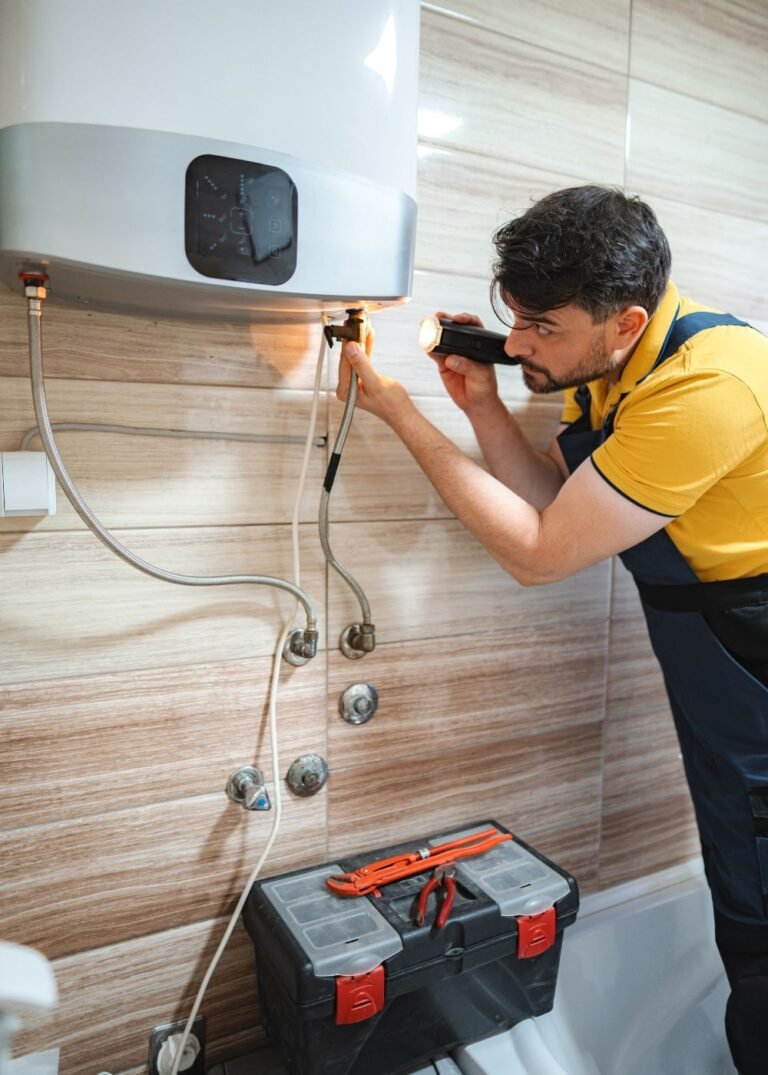
Choosing between repair and replacement Deciding whether to repair or replace depends on age, extent of corrosion, material, and future plans for the property. A localized repair can be sensible if the remaining piping is relatively new and was installed with modern, code-compliant materials. Replacement is more defensible when piping is older than 30 years, shows extensive corrosion, or has a mix of nonstandard fittings. If you plan to sell in the near term, replacing suspect piping may prevent last-minute negotiation headaches.
Costs to expect, with ranges and caveats Exact costs vary with house size, accessibility, and materials. For basic appliance hook-ups, expect a few hundred dollars. Targeted repairs of visible leaks or unions might be several hundred to a low four-figure sum. Full repipes often range from a few thousand to over ten thousand dollars depending on complexity and whether walls or finished ceilings must be opened. These are not firm quotes, but reasonable ranges to use when budgeting. Local factors in Sandpoint such as access, travel time, and permit fees will influence final pricing.
Stories from the field Years of service teach patterns. I https://bigredplumbingid.com/ once inspected a craftsman house where the homeowner had tightened a loose fitting with a wrench and a rag. The temporary fix masked a pinhole leak and a persistent faint sulfur smell. A proper pressure test revealed multiple micro-leaks at old threaded joints. The homeowner chose a phased repipe, starting with the basement main and moving to branch lines over time, which spread the cost and eliminated the odor. Another job involved a buried service line nicked by a landscaping crew. The repair required excavating, replacing a short section, and installing warning tape above the pipe for future crews. Both jobs showed the same principle: prompt inspection and a clear plan prevent larger failures.
Insurance and documentation Keep inspection reports and invoices. When you sell, lenders and buyers ask for documentation. Insurers may require proof of professional repairs after a claim. A written pressure test report, photographs, and the plumber’s license number create a defensible record. If a contractor gives verbal assurances only, get them in writing. This small step saves disputes later.
When emergencies happen If you detect a strong smell of gas, hear a hissing fitting, or observe flames where there should be none, evacuate immediately. Move everyone to a safe distance, avoid turning lights or phones on near the suspected leak, and call 911 plus the gas utility. Once the utility declares the scene safe, call a licensed plumber to repair and test the system. Emergency service often costs more, but the alternative is unacceptable risk.
Why local expertise matters Local plumbers understand Sandpoint’s mix of older homes, seasonal temperature swings, and the local permitting environment. A regional company, such as Believe Plumbing, will have experience with frequent scenarios: corroded black iron in basements, CSST installations that need bonding, and buried service lines in yard renovations. They also know whom to call at the utility when a meter issue appears. Hiring a plumber familiar with local norms shortens diagnostics and avoids surprises.
Final thoughts to guide decisions Gas safety is not binary. Not every old pipe must be ripped out immediately, but every suspicious sign demands inspection. Prioritize immediate hazards, document everything, and choose licensed professionals who explain trade-offs clearly. A conservative but reasoned approach protects your family and your investment. Plumbing in Sandpoint Idaho involves specific local knowledge, and when it comes to gas lines, there is Plumber no substitute for careful inspection, solid documentation, and experienced hands doing the work.
Believe Plumbing
819 US-2, Sandpoint, ID 83864
+1 (208) 690-4948
[email protected]
Website: https://callbelieveplumbing.com/